The methods and tools used by Equatorial Guinea's vice-president to hide and protect illicitly obtained assets
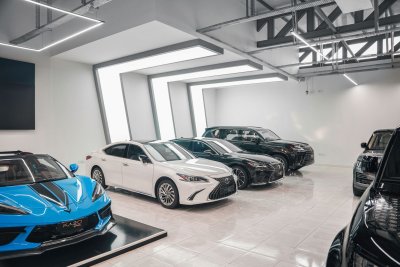
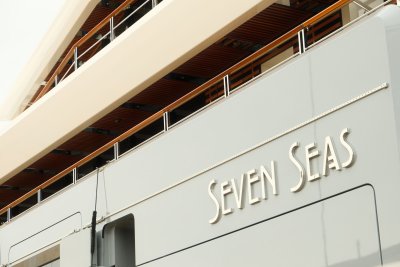
Teodorin Obiang used shell companies, luxury real estate, art, yachts and cars to launder tens of millions in stolen state wealth, with help from banks and lawyers across multiple countries.
How one man stole his country's wealth and turned it into luxury goods
How Equatorial Guinea's Vice President stole state funds through inflated contracts, laundered money via offshore shell companies, and spent it on mansions, yachts and art before authorities seized his assets.
How stolen money is laundered through shell companies, offshore accounts and luxury assets
Money laundering converts illicit wealth into seemingly legitimate assets through placement, layering and integration stages, using shell companies, offshore accounts and luxury purchases.
How stolen wealth moves through tax havens and financial centres, and what it costs ordinary people
Kleptocrats move embezzled money through shell companies and secrecy jurisdictions, inflating property prices globally and starving public services in their home countries.
Real-world cases of stolen state wealth and international responses to kleptocrats hiding assets abroad
Major cases involving Russian oligarchs, Malaysia's 1MDB scandal, Nigerian and Equatorial Guinean officials, and Uzbek elites show how kleptocrats hide billions. Countries now use sanctions, asset freezes, transparency registers and unexplained wealth orders to fight back.
A guide to governments where leaders steal national resources for personal gain
A kleptocracy is a government where officials and elites use power to steal national resources. The article lists current and historical examples, from Russia to North Korea, and notes signs of kleptocratic corruption worldwide.